
Published: 29/06/2026
Modified: 28/09/2026
VIDOVDAN MUST NOT BECOME AN OCCASION FOR FEAR, DETENTIONS AND HUMILIATION
Statement of the Serbian Orthodox Diocese of Raška and Prizren regarding the conduct of the Kosovo Police at Gazimestan
The Diocese of Raška and Prizren expresses its deep concern and strongest protest regarding the conduct of the Kosovo Police during, and especially after, yesterday’s commemoration of Vidovdan at Gazimestan hill near Priština, which cast a heavy shadow over the prayerful and dignified celebration of one of the most important feast days in the spiritual and historical life of the Serbian people in Kosovo and Metohija.
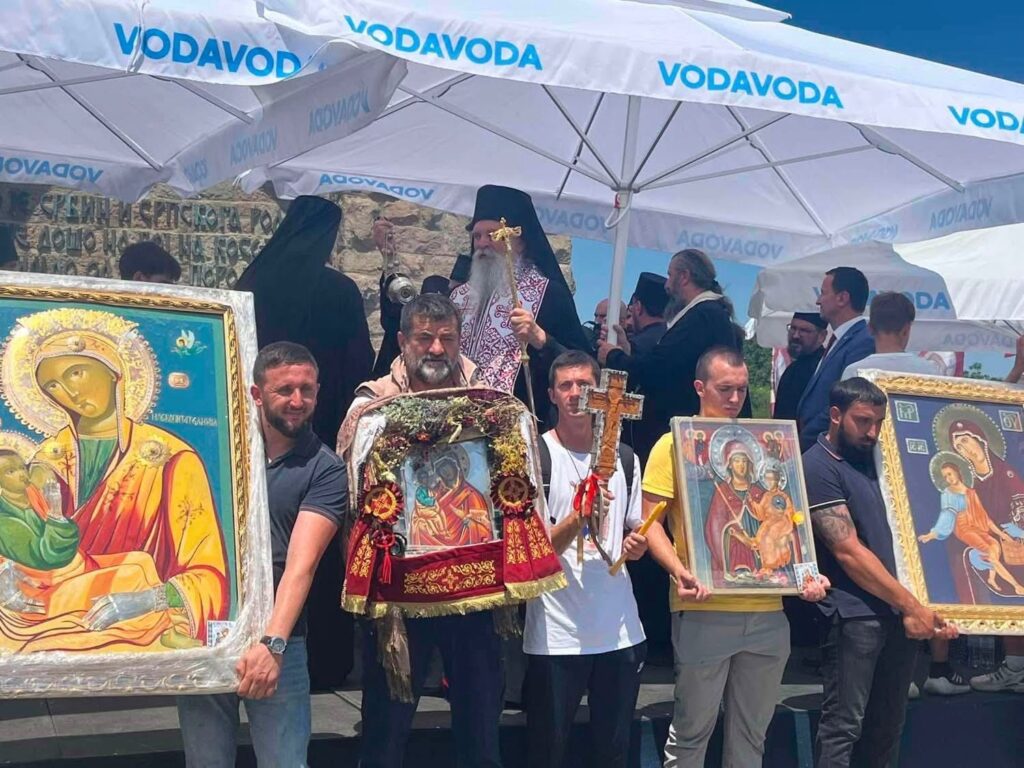
 This year’s Vidovdan, on 28 June 2026, was celebrated in a conciliar and prayerful spirit, with the Holy Liturgy at Gračanica Monastery and a memorial service for the heroes of the Kosovo battle in 1389 at Gazimestan. The faithful, clergy and bishops gathered in peace, with no desire to provoke or endanger anyone, but to pray to God, to remember those who had suffered and to affirm the spiritual meaning of Vidovdan, which has lived for centuries in the memory of the Serbian Orthodox Church and her people.
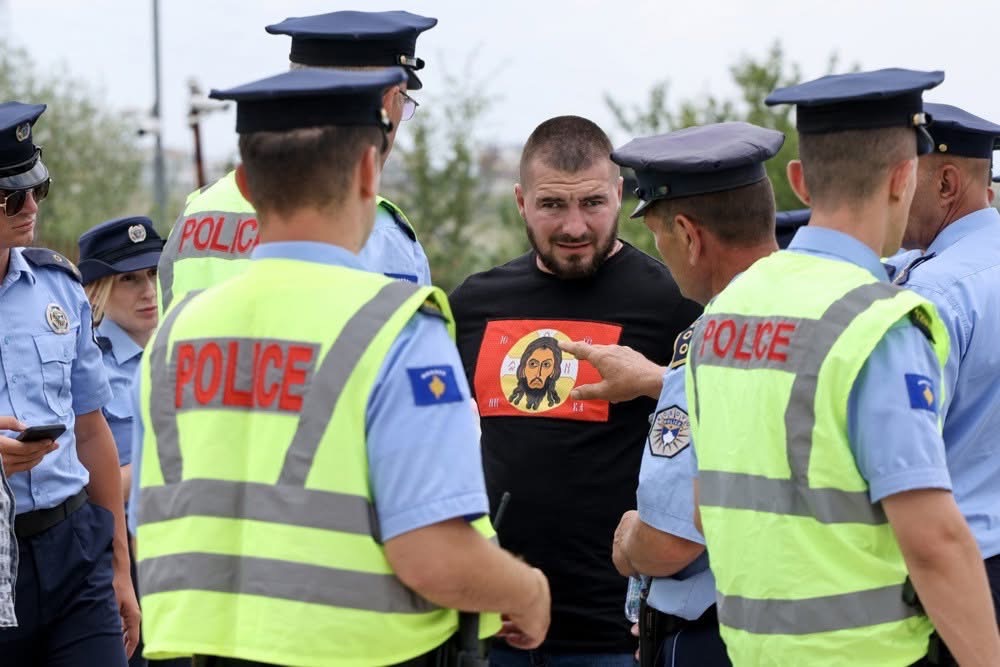
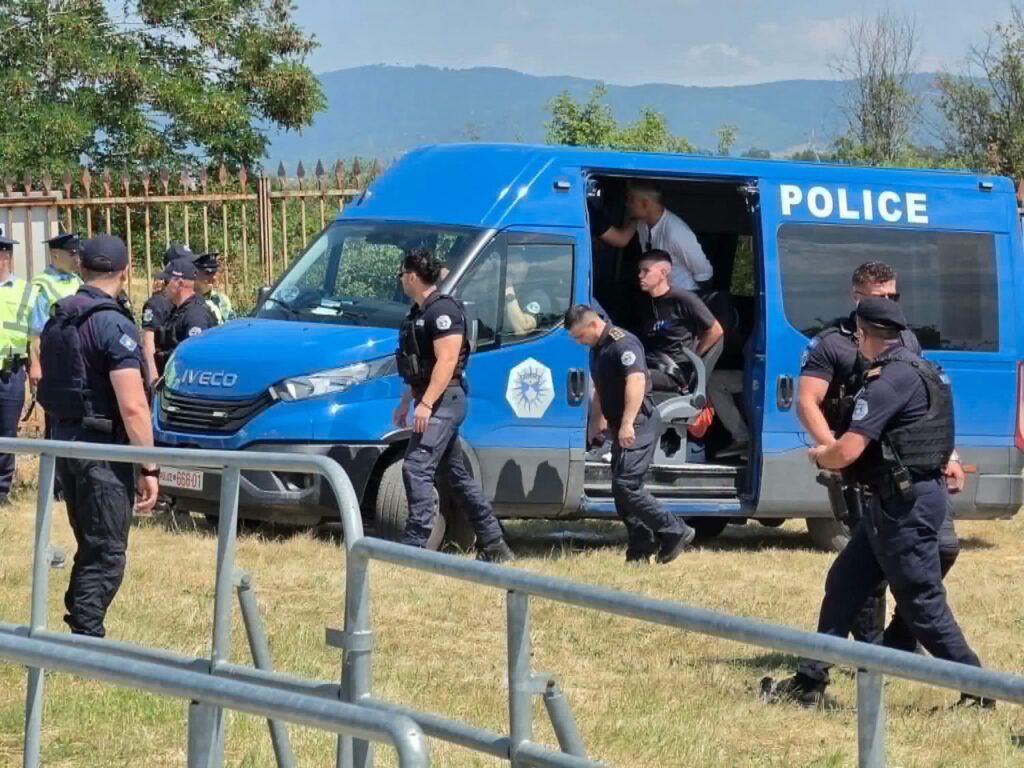
It is precisely for this reason that it is deeply disturbing that, after the memorial service had ended and as the faithful were leaving Gazimestan, several dozen persons of Serbian nationality were detained or held by the Kosovo Police. According to the official police statement, 37 persons were detained, while misdemeanor proceedings were initiated against 36 persons. What is particularly concerning is the fact that the police themselves stated that there had been no incidents affecting the course of the Vidovdan commemoration. If the gathering passed peacefully, then the public has every right to know on what individual, clear and verifiable grounds the mass detention of believers followed after the conclusion of the religious service. Particularly unacceptable were the extremely humiliating measures used to control access to the monument at Gazimestan, which, according to published recordings and testimonies of numerous people and media outlets, went beyond concern for security and amounted to a form of harassment on ethnic and religious grounds.
 The Diocese of Raška and Prizren does not justify, and will never justify, any genuine call to hatred, violence or disturbance of public order. The Church has always called upon her faithful people, especially in sensitive circumstances and at sensitive locations, to behave peacefully, responsibly, in a Christian manner and with dignity. At the same time, however, we must clearly state that prayer, traditional song, remembrance of ancestors, the wearing of traditional costumes and the peaceful expression of religious and national identity cannot in themselves be treated as a threat to public order. Moreover, numerous ethnic Albanian national gatherings in Kosovo take place with a far greater presence of national symbols and public displays, without remotely comparable police methods.
According to testimonies from the scene, as well as media reports, the faithful came to Gazimestan hill this year without displaying national insignia, precisely because of previously announced restrictions and caution, since the Kosovo authorities prohibit only the Serbian community from displaying national symbols and treat them, in themselves, as “symbols of hatred and intolerance”. If even such conduct was not sufficient for Vidovdan to be celebrated peacefully and without humiliating measures, then the question rightly arises whether the Serbian people in Kosovo and Metohija are gradually being deprived not only of the right to display symbols, but also of the right to sing, to remember, to gather with dignity and, ultimately, to celebrate Vidovdan itself.
We are especially pained by the impression that the threshold of tolerance for everything bearing a Serbian religious, cultural and national mark is being lowered year after year. After years in which Serbian believers have been subjected to harassment regarding national symbols on their greatest feast day, it now appears that even song itself may become grounds for detention. Such treatment does not belong to a democratic society governed by the rule of law, but recalls times of ideological prohibition, when song, word and memory could be treated as an offence.
The Diocese receives with particular alarm the testimonies that some of those detained were subjected to physical and psychological mistreatment, slaps, blows, insults, threats, humiliation, as well as allegations that they were ordered to shout “Kosovo Republic” under threat of beating. These claims must be seriously investigated and verified. Even more distressing are the allegations that part of the traditional clothing of one of the detainees was desecrated and that medical assistance was provided to some individuals. Reports that a minor was among those detained are also concerning, as are reports that media representatives were subjected to detailed and humiliating controls and obstructed in carrying out their work. All these allegations must be examined urgently, impartially and thoroughly.
The Diocese of Raška and Prizren welcomes the fact that the Kosovo Ombudsperson Institution has opened a preliminary investigation into allegations of abuse and humiliation of detained Serbs. At the same time, we call upon the Ombudsperson, the Police Inspectorate, the competent judicial and prosecutorial authorities, as well as international missions, especially the OSCE and EULEX, to ensure, in accordance with their mandates, a full, independent and transparent review of all the circumstances. It is necessary to establish the legal basis for each individual detention, whether the measures were necessary and proportionate, whether there was any overreach of authority, whether degrading treatment occurred, whether minors and journalists were protected in accordance with the law, and whether the conduct of the police was impartial and free from ethnic or religious bias.
The security of public gatherings is a legitimate responsibility of the competent authorities. However, security must never become a pretext for humiliation and the violation of the fundamental freedoms of peaceful expression. The presence of police at a religious and memorial gathering should protect the faithful and enable the event to proceed peacefully, not create fear, uncertainty and the feeling among those present that they are presumed suspect merely because of their identity. The more sensitive the event, the greater the responsibility of the authorities to act with restraint, professionalism, proportionality and respect for the dignity of every human person.
Gazimestan is not an ordinary place. For the Serbian Orthodox people, it is a place of prayer, memory, historical continuity and spiritual covenant. Vidovdan is not a threat to anyone. It is not a call to hatred, but a day of remembrance, repentance, conciliar unity and hope. It is therefore deeply wrong when this feast is treated primarily as a security problem, rather than as a religious and cultural event of a community whose rights must be respected and protected at least equally with the rights of the Albanian and other communities in Kosovo and Metohija.
We call upon the international community, which has given firm guarantees to the Serbian people in Kosovo and Metohija that their rights will be respected, including the right to freedom of religion, the right to peaceful assembly, the right to preserve identity and the right to protection from discrimination, not to remain at the level of general appeals for respect for the law, but to help ensure that these laws and standards are truly implemented. Human rights must not depend on the community to which one belongs, nor may European and democratic standards be applied selectively.
We seek no privileges, but only the minimum of rights that every authority, if it wishes to present itself as democratic, must ensure for every person and every community. This is the right of a people to pray, to remember their departed, to sing their songs, to preserve their tradition and, after prayer, to return home without fear that someone will be detained, humiliated or punished because he or she was part of their people and their Church.
We especially appeal that the commemoration of Vidovdan not be turned into a day of anxiety in which people ask in advance how many believers will be detained, fined, turned back at crossing points or exposed to unpleasant treatment, but that it be restored to what it truly is: a peaceful, prayerful and dignified celebration of the greatest feast day of the Serbs in Kosovo and Metohija and one of the most important days in the historical memory of the entire Serbian people.
The Serbian Orthodox Diocese of Raška and Prizren calls upon its faithful people to remain peaceful, dignified and steadfast in faith, and requests from the competent institutions and international representatives an independent and transparent investigation into whether there was excessive use of police powers at Gazimestan, violations of human and religious rights, or undignified treatment of believers, so that Vidovdan may in future be celebrated freely, safely and with the dignity that befits it.
29 June 2026
Gračanica, Prizren
